
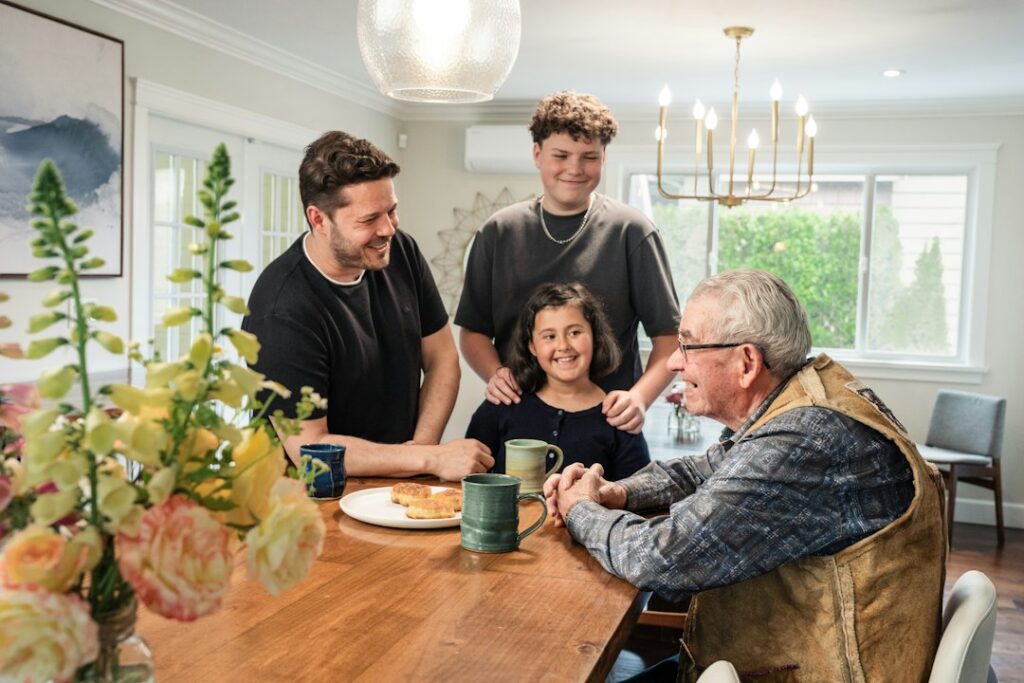
Talking with a parent, spouse, sibling, or other relative about assisted living can feel personal and emotionally charged. The discussion often involves safety, independence, money, health changes, and the fear of losing control. A productive conversation does not require making an immediate decision. It begins with listening, identifying concerns, and understanding what kind of support may be needed.
How should the conversation begin?
Start with a calm conversation about daily life rather than announcing that someone “needs assisted living.” Specific observations are easier to discuss than broad judgments.
For example, a family member might say:
- “I noticed you have been missing some medications. How has managing them been going?”
- “The stairs and winter weather seem to be making errands harder. What would make things feel safer?”
- “You mentioned feeling lonely since driving less. What kind of social connection would help?”
- “Would it be useful to learn about different housing and care options before anything becomes urgent?”
Choose a quiet setting and allow enough time for the conversation. Avoid starting during an argument, immediately after a fall, or when the person is tired or embarrassed.
The goal of the first discussion is not to persuade. It is to understand what the person wants, what feels difficult, and what support might preserve independence.
What should family members talk about?
Discuss the daily tasks that are becoming difficult, not just medical diagnoses. Assisted living may provide help with activities such as bathing, dressing, meals, medication routines, mobility, housekeeping, and transportation, depending on the residence and the resident’s assessed needs.
Useful topics include:
- Falls, near-falls, or difficulty moving around the home
- Missed medications or confusion about prescriptions
- Spoiled food, difficulty preparing meals, or unintended weight loss
- Trouble bathing, dressing, toileting, or managing personal hygiene
- Bills, appointments, paperwork, or household maintenance
- Driving concerns or difficulty reaching groceries and medical care
- Isolation, anxiety, depression, or loss of interest in usual activities
- Help needed during storms, power outages, heat waves, or icy conditions
In Malvern, seasonal weather can make an already difficult routine more demanding. Snow, ice, heavy rain, and shorter winter days may affect walking, driving, outdoor maintenance, and access to errands. These practical concerns can be discussed without treating them as proof that a move is required.
How can a family respect independence?
A person may accept help more readily when the conversation recognizes what they can still do. Assisted living is not automatically a replacement for decision-making or personal choice. In Pennsylvania, assisted living residences are intended for people who need support or supervision but may still participate in planning their care and daily routines.
Ask questions that preserve control:
- “Which tasks would you prefer to keep managing yourself?”
- “What type of help would feel acceptable?”
- “What would make a new living arrangement feel more like home?”
- “Would you rather start with a small amount of help or consider a larger change?”
- “What are you most worried about losing?”
Avoid using age, forgetfulness, or a single mistake as the entire basis for the discussion. Many older adults can remain safely at home with changes such as improved lighting, medication reminders, meal support, transportation assistance, home repairs, or help with personal care. Assisted living is one possible option among several.
What if the person refuses to discuss assisted living?
Resistance often reflects fear rather than stubbornness. A relative may worry about losing privacy, being placed in a nursing home, becoming isolated, spending savings, or being treated as incapable. Some people also associate assisted living with a loss of identity or control.
Do not respond by arguing over every concern. Ask what the person believes assisted living would mean. Correct misunderstandings one at a time.
It may help to separate learning from deciding. A family member can suggest reviewing care options, comparing levels of support, or visiting a residence without agreeing to move. If the person is not in immediate danger, repeated short conversations are usually more effective than one high-pressure discussion.
A refusal should also be considered in context. An adult who understands the situation and can make informed decisions generally has the right to make choices others consider unwise. Immediate action may be needed, however, if there is serious danger such as repeated unexplained injuries, unsafe wandering, untreated medical problems, severe self-neglect, or an inability to meet basic needs.
What questions should families ask before considering a move?
Families should first clarify the type of setting being discussed. Pennsylvania distinguishes assisted living residences from personal care homes and nursing facilities. These settings may differ in licensing, staffing, services, medical support, and the level of care they can provide.
Questions to discuss together include:
- What assistance is needed now, and what changes are likely?
- Is help available overnight?
- How are medications stored, administered, or monitored?
- What happens after a fall, illness, hospitalization, or change in mobility?
- Are meals, laundry, housekeeping, transportation, and activities included?
- Can residents choose their schedules, clothing, meals, and daily routines?
- What happens if a resident needs more care later?
- How are care plans reviewed and updated?
- What costs are included, and which services create additional charges?
- What are the rules for deposits, rent changes, discharge, and leaving temporarily?
- How are complaints, emergencies, and family concerns handled?

Families should request written explanations rather than relying only on a tour conversation. A clear understanding of services and costs can prevent conflict later.
How can siblings avoid disagreements?
Family members often see different parts of the situation. One person may handle appointments, another may manage finances, and another may live nearby. Disagreements become more manageable when everyone uses specific examples instead of accusations.
Consider creating a shared record of:
- Recent falls or emergency visits
- Missed medications or appointments
- Changes in eating, hygiene, mood, or memory
- Tasks the person can manage independently
- Tasks requiring reminders, supervision, or hands-on assistance
- The person’s stated preferences and concerns
The older adult should be included whenever possible. Family discussions held entirely without that person can unintentionally turn a care decision into something being done to them.
If safety, decision-making ability, or medical needs are unclear, an assessment by an appropriately qualified health or aging professional may be necessary. That is different from asking someone to make the decision for the family. The purpose is to obtain a clearer picture of needs and available choices.
What is a reasonable next step after the first conversation?
The next step should match the urgency of the situation. For a stable household, that might mean writing down care needs, reviewing finances, or learning the difference between home-based support, personal care, assisted living, and nursing care. For a situation involving immediate safety risks, waiting may not be appropriate.
A useful plan may include:
1. Identify the two or three problems causing the greatest concern.
2. Ask the family member what outcome matters most to them.
3. Explore alternatives that address those problems.
4. Gather written information about possible settings and costs.
5. Revisit the discussion after new information is available.
The most constructive conversations focus on the person’s goals: remaining safe, staying connected, maintaining privacy, reducing burdens, or receiving help without giving up more independence than necessary. That approach allows families to plan thoughtfully rather than making decisions only after a crisis.
