
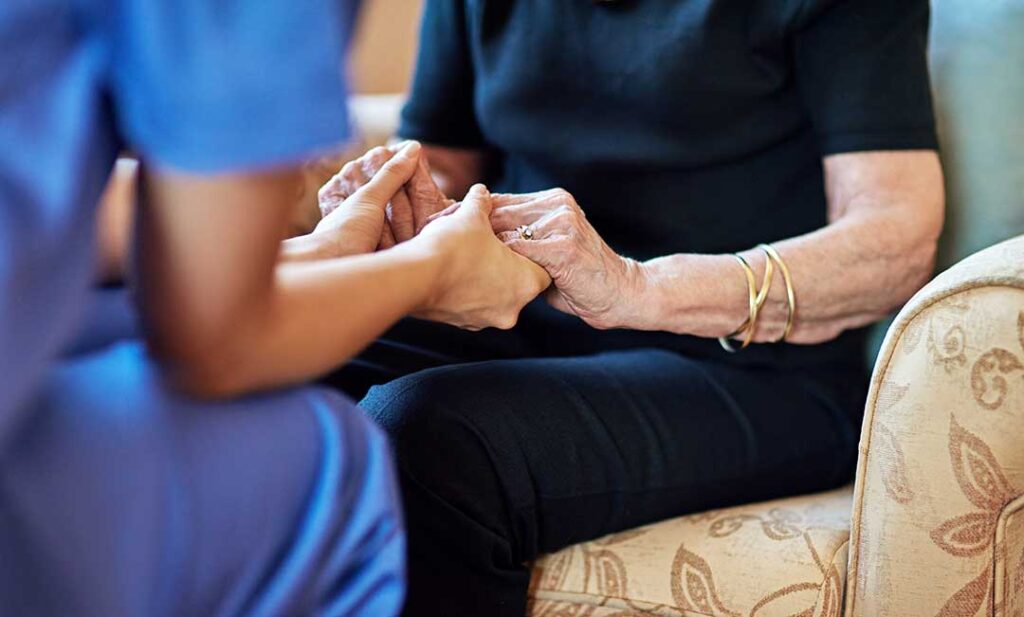
For many families in Malvern, PA, the question is not whether an older adult has become less independent, but whether the current living arrangement is still safe, manageable, and consistent with that person’s wishes. Assisted living may be worth considering when routine support is needed regularly, yet 24-hour skilled nursing care is not required.
The decision is rarely based on one missed bill or one fall. More often, it follows a pattern of changes in daily function, safety, health, and caregiver capacity.
What does assisted living provide?
Assisted living is generally intended for people who need help with everyday activities but do not require continuous nursing care. In Pennsylvania, assisted living residences may provide support with bathing, dressing, walking, eating, toileting, medication assistance, transportation arrangements, and other personal-care needs. They are licensed and inspected by the Pennsylvania Department of Human Services. ([pa.gov](https://www.pa.gov/agencies/dhs/resources/aging-physical-disabilities/personal-care-homes?utm_source=openai))
Assisted living is different from a nursing home. A nursing home is designed for people who need a higher level of medical monitoring or skilled nursing services. A person with complex medical needs, frequent medical instability, or extensive clinical care requirements may need a different setting.
The right choice depends on the person’s health, ability to complete daily activities, preferences, available support, and financial resources. ([nia.nih.gov](https://www.nia.nih.gov/health/caregiving/does-older-adult-your-life-need-help?utm_source=openai))
What daily signs suggest that more support is needed?
The clearest signs involve activities that must be completed every day. A person may still appear capable during a short visit while struggling with routine tasks when alone.
Watch for changes such as:
- Difficulty bathing, dressing, grooming, or using the bathroom safely
- Trouble getting in and out of bed or a chair
- Increasing falls, near-falls, or fear of walking
- Missed, duplicated, or incorrectly timed medications
- Spoiled food, skipped meals, or noticeable weight loss
- Unpaid bills, unopened mail, or unusual financial decisions
- A home that has become unusually cluttered, dirty, or unsafe
- Difficulty using the stove, managing laundry, or maintaining suitable clothing
- Repeatedly missing appointments or becoming unable to arrange transportation
- Withdrawal from friends, routines, or activities once enjoyed
The National Institute on Aging identifies falls, confusion, poor hygiene, weight changes, loneliness, trouble walking, medication problems, and difficulty preparing meals as signs that an older adult may need additional support. ([nia.nih.gov](https://www.nia.nih.gov/health/caregiving/does-older-adult-your-life-need-help?utm_source=openai))
A single issue may have a simple explanation. For example, poor medication management could result from poor eyesight, a recent prescription change, or confusion about instructions. The concern grows when several problems appear together or continue despite reasonable adjustments.
Is memory loss by itself a reason to move?
Not necessarily. Occasional forgetfulness can occur with normal aging, but significant changes in judgment, personality, orientation, or decision-making deserve medical attention. Memory loss that leads to unsafe cooking, wandering, missed medications, scams, or inability to respond to an emergency may indicate that living alone is no longer appropriate.
Before assuming that dementia is the cause, sudden confusion should be evaluated promptly. Infection, dehydration, medication side effects, sleep problems, depression, and other health conditions can also affect thinking.
People with cognitive impairment may need different levels of supervision depending on their behavior and safety risks. Some assisted living residences offer memory-support programs, but families should not assume that every residence can manage wandering, aggression, complex dementia, or significant medical needs.
How do falls and home safety affect the decision?
Repeated falls are among the strongest reasons to reassess an older adult’s living arrangement. A fall can result from weak muscles, poor vision, medication effects, uneven surfaces, dizziness, or difficulty using a walker.
In Malvern, seasonal conditions can make outdoor mobility more challenging. Snow, ice, wet leaves, uneven walkways, and reduced daylight may increase the difficulty of entering a home, reaching a vehicle, or managing steps. A person who is safe indoors may still be vulnerable during errands or appointments.
A home safety review can identify problems that might be corrected without moving, such as poor lighting, loose rugs, missing handrails, or an unsafe bathroom layout. If falls continue despite these changes—or if the person cannot reliably call for help—more consistent supervision may be needed.
How can families tell whether home care is enough?
Home support may be appropriate when the person’s needs are limited, predictable, and reliably covered. This might include help with meals, housekeeping, transportation, medication reminders, or bathing several times each week.
Assisted living becomes more relevant when support needs are frequent, unpredictable, or difficult for family members to coordinate. Warning signs include:
- Family members constantly rearranging work or travel to respond to emergencies
- Caregivers losing sleep or experiencing exhaustion
- No dependable person available overnight
- The older adult refusing or forgetting essential help
- Several helpers providing inconsistent instructions
- A need for social contact and structured routines, not only task assistance

The issue is not whether family members love the person or are willing to help. The practical question is whether the current arrangement can provide safe and dependable care over time.
What should happen before making a decision?
Start by documenting what is actually happening for two to four weeks. Record falls, missed medications, meals, driving concerns, confusion, bathing difficulties, and the amount of help family members provide. Specific examples are more useful than general statements such as “Things seem worse.”
A health care evaluation can help identify treatable causes and clarify functional needs. Standardized assessments of daily activities can help measure changes in bathing, dressing, eating, toileting, walking, and medication management. ([nia.nih.gov](https://www.nia.nih.gov/health/obtaining-older-patients-medical-history?utm_source=openai))
The conversation should focus on safety and preferences rather than blame. Questions might include:
- Which tasks feel harder than they used to?
- What help would make daily life less stressful?
- What would make a move feel acceptable or unacceptable?
- Which routines, possessions, visitors, and activities matter most?
- What would happen if another fall or illness occurred?
Planning before a crisis gives the older adult more opportunity to participate in decisions. It also allows the family to compare options, understand costs, and determine whether the setting can meet the person’s likely future needs.
When is a crisis a sign that planning should not wait?
Immediate action may be necessary after a serious fall, an unsafe driving incident, wandering, a medication overdose, repeated emergency visits, inability to obtain food, or a sudden inability to manage basic hygiene and toileting.
A crisis does not automatically mean assisted living is the answer. Some situations require hospital care, rehabilitation, home-based services, or nursing-facility care instead. The key is matching the setting to the level of medical and personal support required.
For Pennsylvania residences, licensing status, services provided, staffing, medication procedures, emergency response, additional fees, and rules for changing care needs should all be reviewed carefully. State guidance recommends visiting more than once, observing meals and activities, asking about staff training, reviewing contracts, and confirming that the residence is licensed. ([pa.gov](https://www.pa.gov/agencies/dhs/resources/aging-physical-disabilities/personal-care-homes?utm_source=openai))
The most reliable indicator is a sustained change in the person’s ability to remain safe and complete essential daily tasks. Assisted living is worth considering when regular support, supervision, and social structure are needed beyond what the home and available caregivers can consistently provide.
